
Renewables Reach Record Share of EU Electricity Production
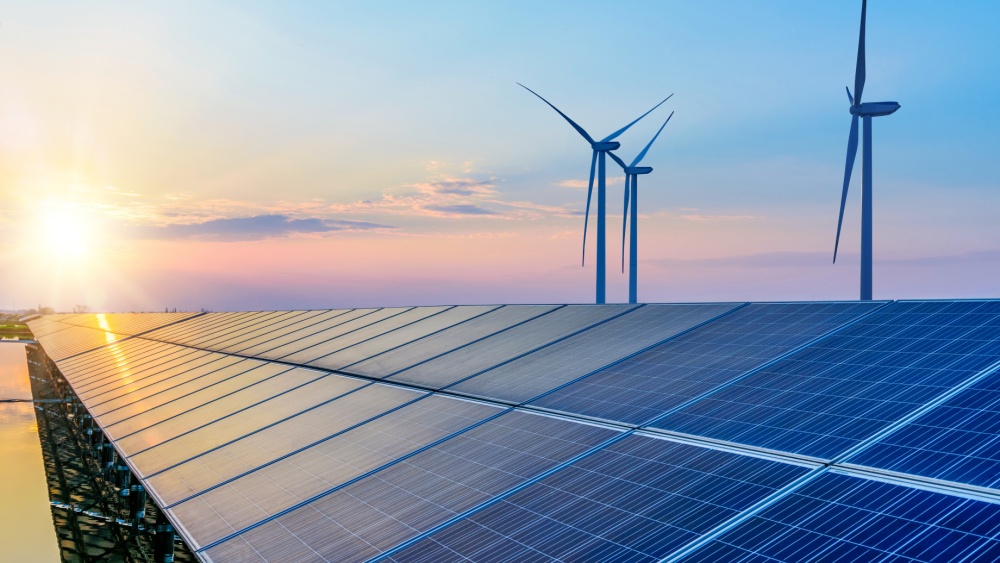
According to preliminary Eurostat data, renewable energy was the leading source of electricity in the EU in 2024, making up 47.3% of total electricity generation. This marks a historic moment: nearly half of Europe’s electricity now comes from renewable sources.
In absolute terms, renewables generated 1.31 million Gigawatt-hours (GWh) in 2024, representing a 7.7% increase compared with 2023. This strong growth was driven mainly by solar and wind expansion, combined with a steady contribution from hydro and biomass.
At the same time, fossil fuels continued their downward trend. Electricity generated from coal, oil, and gas fell by 7.2%, contributing only 29.2% of total electricity production, or 0.81 million GWh. Nuclear power accounted for the remaining 23.4% (0.65 million GWh), showing a modest 4.8% increase compared with the previous year.
These developments reflect Europe’s accelerating shift toward a low-carbon energy system. The rise of renewables not only reduces greenhouse gas emissions but also strengthens energy security and supports the EU’s climate neutrality targets. The decline in coal, in particular, highlights the progress made in phasing out the most carbon-intensive fuel sources, while the modest rebound in gas shows lingering dependence but no structural reversal of the downward trend.
For ESEIA, these figures underscore the importance of advancing innovation in renewable technologies, system integration, and energy efficiency. They also show why investments in education, research, and industrial collaboration are critical for maintaining Europe’s leadership in the global clean energy transition.
Source: https://ec.europa.eu/eurostat/web/products-eurostat-news/w/ddn-20250702-1

